
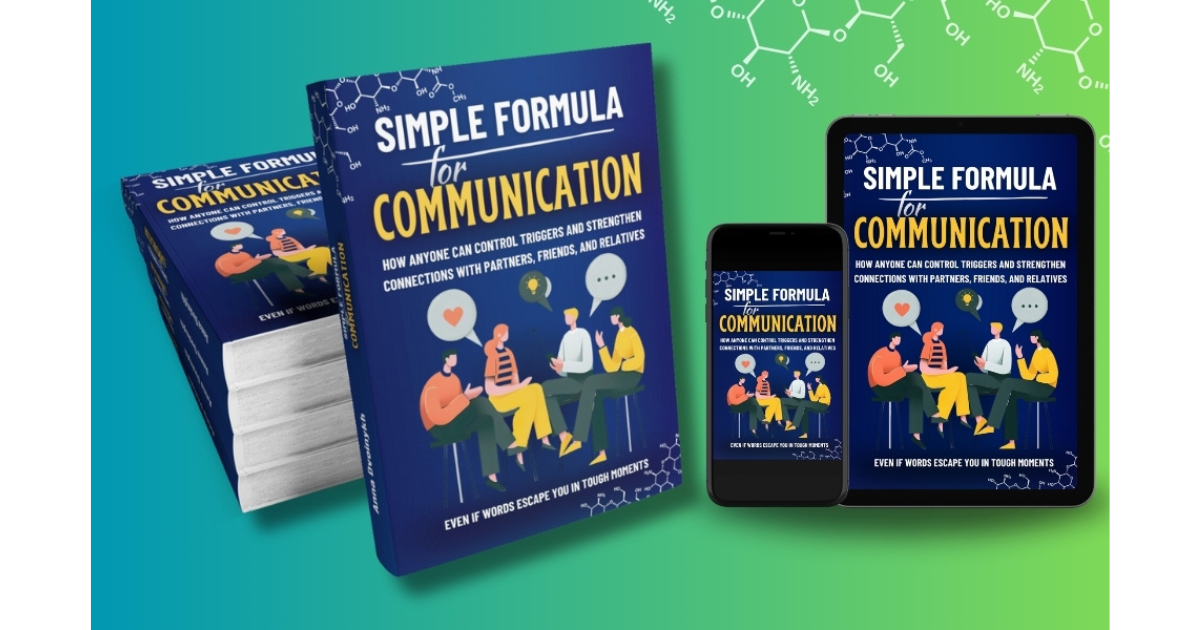
💬 Have you ever felt like you suddenly lost control during a conversation with someone close to you? You didn’t plan to argue, but the words spill out on their own, your voice gets louder, and tension builds in your chest.
🔥 Want to take control of your reactions and communicate without stress?
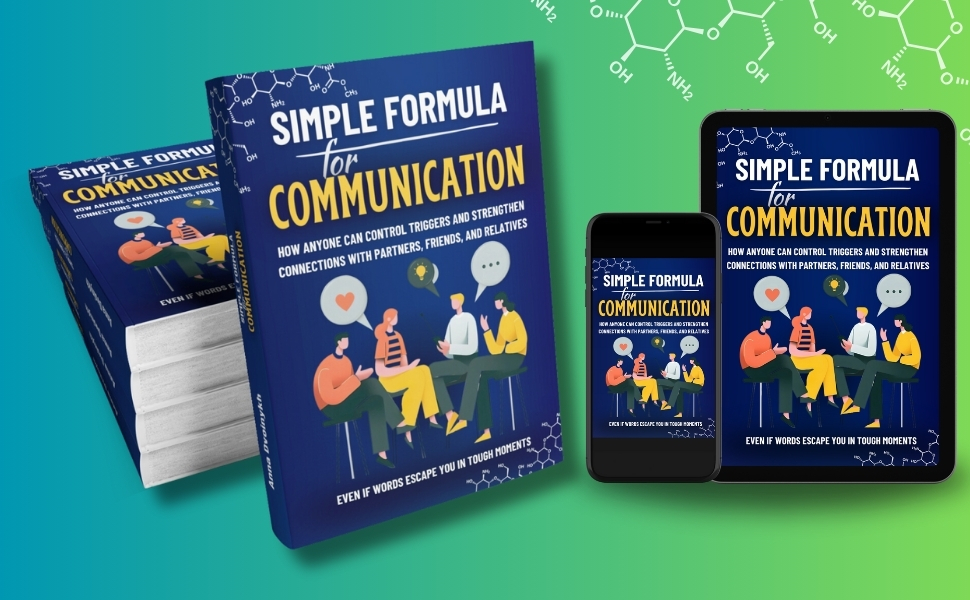
Download the book “Simple Formula for Communication” for free here.
📌 A familiar scenario for many:
You’re having coffee with a friend. She shares her vacation plans and then casually mentions:
“I told you about this before—you just don’t listen!”
Something inside you clicks. A thought flashes through your mind: “Here we go again! I’m being accused—like I’m not paying attention!”
You feel irritation rising inside you.
❌ Instead of responding calmly, your words come out sharper than you intended:
“I DO listen to you! I just have too much on my plate to remember EVERYTHING you say!”
Your friend falls silent. The air grows tense. The warmth of the conversation fades.
You realize your words sounded harsher than you meant, but the moment has already passed.
😞 Later, reflecting on the situation, you understand:
- You didn’t want to raise your voice.
- You didn’t actually care about who was right.
- You regret that a few words derailed the conversation.
This is how an emotional trigger works—it’s the moment when past experiences, hidden resentments, or fears override your awareness.
Why Does This Happen?
🔹 Triggers – Emotional “Buttons” That Activate Automatic Reactions
Triggers are emotional “buttons” that set off automatic responses.
They are linked to unresolved experiences, childhood memories, or deep-seated beliefs about ourselves.
⚡ For example:
- If you were frequently accused of being inattentive as a child, any comment about not listening might feel like a personal attack.
- If people often interrupted you in the past, hearing “You’re not listening!” can trigger a defensive reaction.
We don’t react to the situation itself—we react to what it reminds us of.
How to Break This Cycle and Respond Consciously?
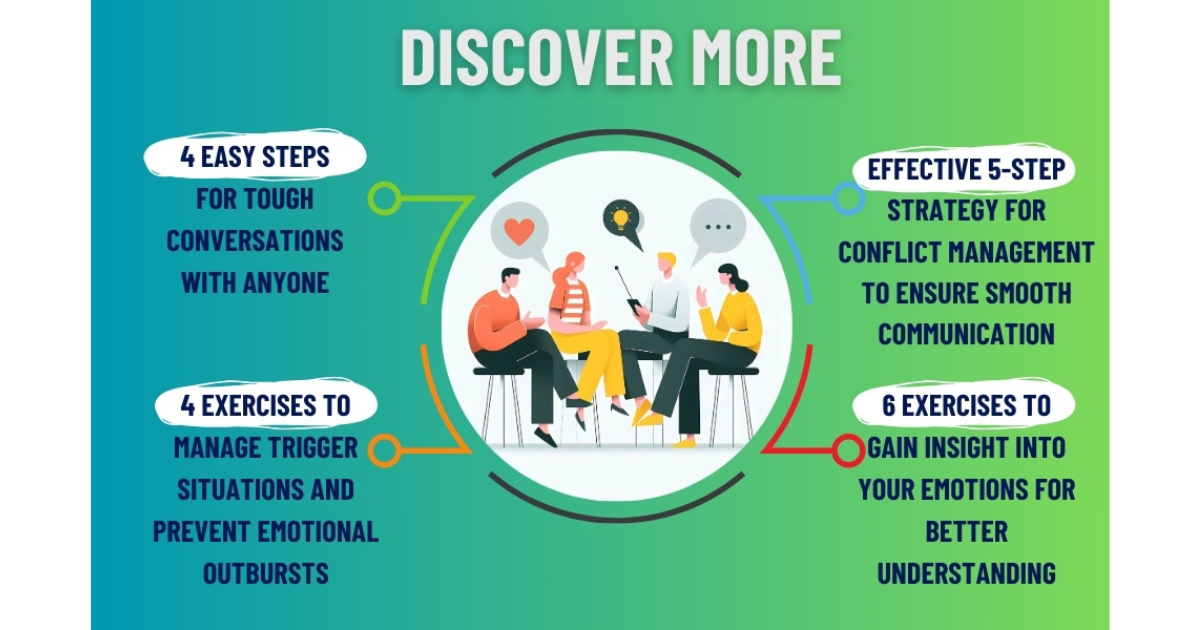
💡 In my book “Simple Formula for Communication,” I provide a clear system for managing emotions in conversations that helps you:
✅ Recognize your triggers and understand why certain words or situations set you off.
✅ Control emotional outbursts so you don’t say things you’ll regret later.
✅ Express your feelings in a way that makes people listen instead of getting defensive.
✅ Navigate difficult conversations with partners, friends, and family calmly and confidently.
📖 Here’s What You’ll Learn:
✔️ How to “catch” the moment when a trigger is activated and choose a conscious response.
✔️ How to express emotions in a healthy way without damaging relationships.
✔️ Which words help keep the conversation going even during conflict.
🔹 Imagine your next conversation happening without emotional outbursts.
🔹 Your words sound confident, not harsh.
🔹 Your relationships grow stronger instead of breaking down after every difficult discussion.
📌 This is a skill you can learn!
🔥 Want to take control of your reactions and communicate without stress?
Download the book “Simple Formula for Communication” while it’s still free! 🚀









Polskie Wiadomości
There is a harmonious balance in your writing, where precision, nuance, and fluidity coexist. Sentences support one another, creating continuity and rhythm, encouraging reflection, careful observation, and a quiet, immersive engagement with ideas.